Sunday, November 24, 2019

Worth a Look

Here are a few posts from last week's Greenpage that might be worth your time...

Studies Show Big Impact of Small Theatres in NY, Chicago

AMERICAN THEATRE: Two new studies of two different metropolitan areas give hard numbers to what many suspect: that small theatres have an outsized influence not only on the theatre business but on local economies as well. A study published by New York Mayor Bill de Blasio’s office of media and entertainment shows that the city’s theatres and their artistic output contribute $1.3 billion annually to the local economy. And in Chicago, Chris Jones of the Chicago Tribune found that small theatres contributed $80 million, based on a study released by the Gaylord and Dorothy Donnelley Foundation. To give a sense of scale, New York’s commercial Broadway theatres are estimated to contribute $12.63 billion to the New York City economy, while Broadway in Chicago—a production company in the Windy City owned by the Nederlanders—brings in $635 million.

Anita Hill’s Commission Launches Survey on Sexual Harassment

Variety: “Due to the heroic and brave work of many, we all now know there are serious problems of harassment, bias and mistreatment of others in Hollywood,” Hill said. “What we need to get our arms around, if we’re going to come up with effective solutions, is reliable data that reveals the specific nature and actual extent of those problems as well as the cultural environment that enables and hides them.”


Behind the Scenes Announces Remarkable Response to Mental Health Survey

Stage Directions: Behind the Scenes announces that its recent Survey to Assist in the Development of a Mental Health and Suicide Prevention Initiative in the Entertainment Industry received an incredible response from the industry with over 3,300 people completing the survey. We are humbled by the amazing number of people who shared their stories with us about personal challenges and struggles or those of friends and family.


Are we headed for a high-tech version of Hollywood's bad old days?

theweek.com: On Monday, the Department asked a court to jettison a series of decrees dating back nearly 70 years. These "Paramount decrees" arose from a Supreme Court case in 1948, in which Paramount Pictures was the main plaintiff. The decision forced the big Hollywood studios to give up anti-competitive practices that dictated terms to the theater chains, or owned them outright. A series of subsequent agreements with the Justice Department solidified the new rules for the film market.


National Endowment for the Arts Announces Expansion of Creative Forces Healing Arts Network

NEA: Creative Forces is an initiative of the National Endowment for the Arts in partnership with the U.S. Departments of Defense and Veterans Affairs as well as state and local arts agencies to provide access to creative arts therapies—art, music, and dance/movement therapies, as well as creative writing instruction—for service members and veterans suffering from traumatic brain injury (TBI) and post-traumatic stress disorder (PTSD). Through telehealth, creative arts therapists connect with patients in rural and remote places via video conferencing platforms.

Sunday, November 17, 2019

Worth a Look

Here are a few posts from last week's Greenpage that might be worth your time...

The TBA Awards, and why gender disparities in acting are everyone's problem

Datebook: The profession of acting hasn’t always treated women well: fewer roles, less interesting roles, less pay for similar work. But in the theater world, that might be changing. Take the 15 performers in ACT’s main-stage season thus far, in “Top Girls” and “Testmatch.” All the actors were women or nonbinary, and they all played female characters. It’s hard to imagine that, 10 or even five years ago, a major company would have opened its season with so many women.


Opinion: What people of color experience at the theater

Broadway News: I’ve been working professionally as a theater critic since 2013; I’m a board member of the Drama Desk (where I also serve as part of the nominating committee), and I’ve written for every reputable publication in town. For as long as I’ve been attending theater in the city, my name and brown skin have made me the target of bullies and racists.


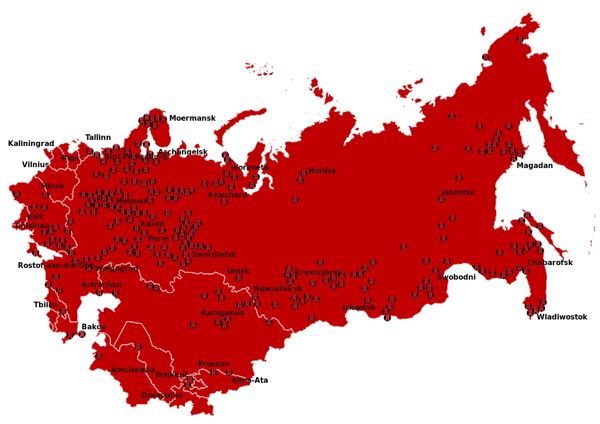
Are dark tourism performances of gulag life educational – or voyeuristic?

theconversation.com: Dark tourism – involving travel to places historically associated with death and tragedy – is on the rise worldwide. Increasingly, this does not involve only visiting such places, but also witnessing certain performances of dark pasts.


Chicago bar installs over 70 Big Mouth Billy Bass to sing popular songs in unison

WGN-TV: Remember the Big Mouth Billy Bass singing fish that was so popular back in the 90s? Well, a bar in Chicago now has more than 70 of them hanging on a wall singing popular songs in unison.

Ashley Albert, a co-owner of the Royal Palms Shuffleboard Club, said coming up with the idea and finding the fish was one thing; choreographing the fish was another.


What is ‘Devised Theatre’? 

At This Stage: There are so many different and new forms of artistic expression emerging from theatre. In traditional theatre, actors would show up on the first day of rehearsals expecting two very important resources at their service, a script and a director. Scripts and directors equip the actor with their lines and stage directions, which pretty much tell the actor much of what they should be doing on stage. But a new form of theatre-making is emerging, many are calling this method “devising”.

Sunday, November 10, 2019

Worth a Look

Here are a couple of posts from last week's Greenpage that might be worth your time...

Ivo Van Hove and Broadway's Secret Reliance on State Funding

The Atlantic: Ivo Van Hove is arguably the most sought-after theater director in the world. In February, his version of West Side Story—with new choreography—will open on Broadway. His adaptation of the film Network was nominated for five Tony Awards last year (winning one). Before that, he directed Gillian Anderson and Lily James in All About Eve, Ben Whishaw and Saoirse Ronan in The Crucible, and Mark Strong in A View From the Bridge.


Designing Safer Social VR

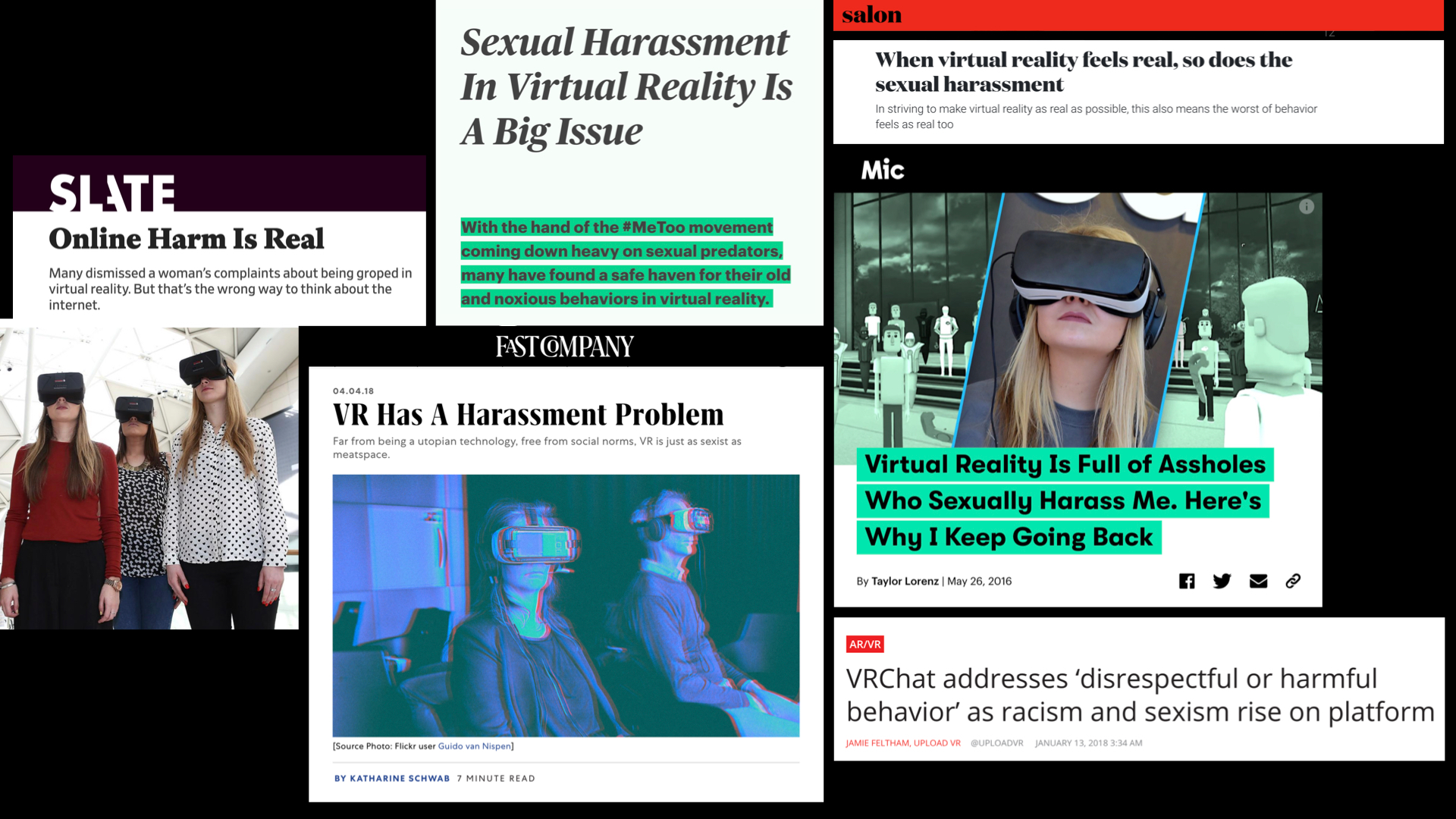
Immerse: Imagine it’s your first time entering a social virtual reality experience. You quickly set up an avatar, choosing feminine characteristics because you identify as female. You choose an outfit that seems appropriate, and when you’re done, you spawn into a space. You have no idea where you are or who is around you. As you’re getting your sea legs in this new environment, all the other avatars look at you and notice that you’re different. Strange avatars quickly approach you, asking inappropriate questions about your real-life body; touching and kissing you without your consent. You try blocking them, but you don’t know how. You remove your headset fearing that you don’t belong in this community.


Representing UK Inclusive Dance in the United States

Disability Arts Online: I first heard of Step Change Studios in 2018 through media coverage of their London show at Sadler’s Wells: ‘Fusion’. I knew this was something I’d like to be a part of, so I contacted Rashmi Becker, the founder, to ask about applying for their next production ‘Fairy Tales’ in 2019. We met in person a few weeks later to talk through the details of the project and what would be expected of me.


A Hack At The Opera

Butts In the Seats: No, no, no, this isn’t a story about someone with little talent and unoriginal ideas, quite the contrary.

Recently my Arts Hacker colleague, Ceci Dadisman, had linked to an article about an Opera Hack-a-thon that happened at the end of July.


DC's Director of Nightlife and Culture Reflects on First Year

On Tap Magazine: To embark on any new endeavor – creative, personal or professional – can be a daunting hill to climb for anyone, and DC government is no exception. Even with the support of Mayor Muriel Bowser and others, Shawn Townsend, who became the first-ever director of the Mayor’s Office of Nightlife and Culture (MONC) early this year, has a lot on his plate.

Sunday, November 03, 2019

Worth a Look

Here are a few posts from last week's Greenpage that might be worth your time...

#PayUpHollywood: Why You Should Be Fed Up with Low Assistant Pay

Ms. In The Biz: It’s a Thursday at the end of the month, which can mean only one thing if you’re an assistant in entertainment: payday. After pulling a long 60-hour week plus overtime, you are counting on every penny of this check to pay your rent, your car payment, your student loan bill, and pray you have enough left to make a small dent on that credit card. You check your bank account for the deposit…


Andy Grammer's Open Letter To The Males Of The Touring World

Pollstar: With my wife being recently pregnant (with a little girl) and watching her go through a super tough pregnancy, it’s been fresh on my mind how wildly different life in general can be for women. So, for the first time in my eight years of touring, there was a sit-down with the women on tour (there are five) and they were asked a super simple question: Is there anything we can do to make this tour better for you?


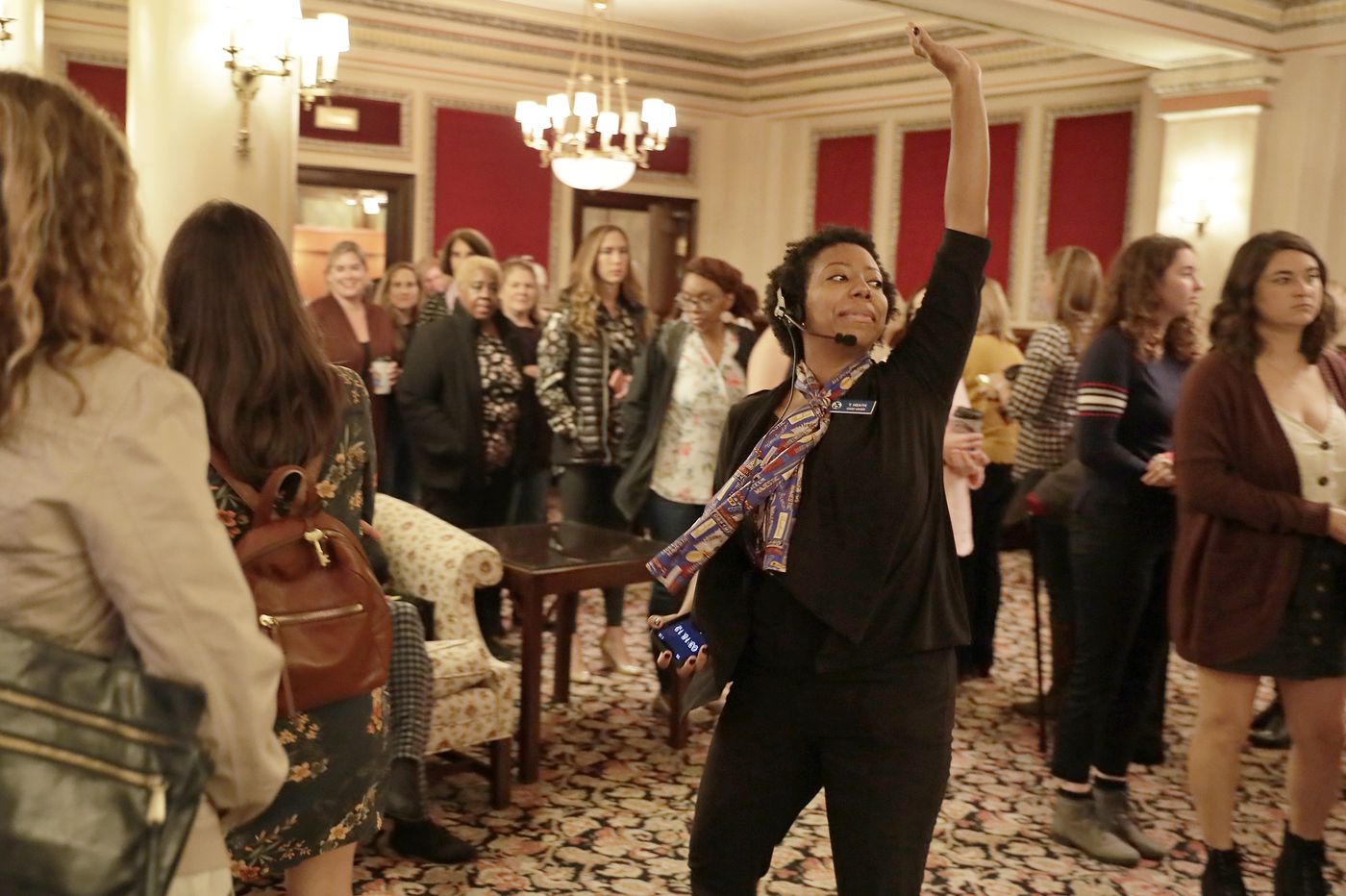
Bathrooms at ‘Hamilton’: Can 200 women make it through 16 stalls in a 20-minute intermission?

www.inquirer.com: The house lights flash on, signaling the end of the first act of Hamilton, and women dart out of their seats.

They try not to trip as they rush down staircases and weave through crowds, leaving behind friends and family to fulfill nature’s call.


Why you should see theater in languages you don't speak

Datebook: I had a feeling there would be jokes and references I wouldn’t get at Tagalog 2019, Bindlestiff Studio’s festival of one-act plays performed in Tagalog, which I don’t speak. The Filipino American performing arts company, now celebrating its 30th year, planned to project English supertitles during the show, but I was anticipating that some concepts would defy translation, and that my brain might not always be able to toggle quickly enough between reading text and watching performance.


'Color Blind' Assessments of Grant Proposals Don’t Work. Here’s a Better Idea.

The Chronicle of Philanthropy: My organization, Nonprofit Finance Fund, has for decades urged grant makers to take financial analysis seriously when figuring out which grantees to support and how to support them. We believe that is still an imperative. But we also now recognize that colorblind financial analysis too often unintentionally exacerbates racial inequality and ends up hurting the nonprofits who can do the most good in advancing justice.

Sunday, October 27, 2019

Worth a Look

Here are a few posts from last week's Greenpage that might be worth your time...

Behind Every Film Production Is a Mess of Environmental Wreckage

VICE: Jurassic World: Fallen Kingdom didn't make much of an impression with critics, but the $300 million blockbuster represented an immense undertaking. Preproduction started in 2015 and included the film’s writer taking a cross-country road trip to hash out story details and a four-week working trip in Barcelona, where director J.A. Bayona and production designer Andy Nicholson figured out visuals like set design and framing shots.


A Fresh Cup of Tea: How to Make Nutcracker More Inclusive

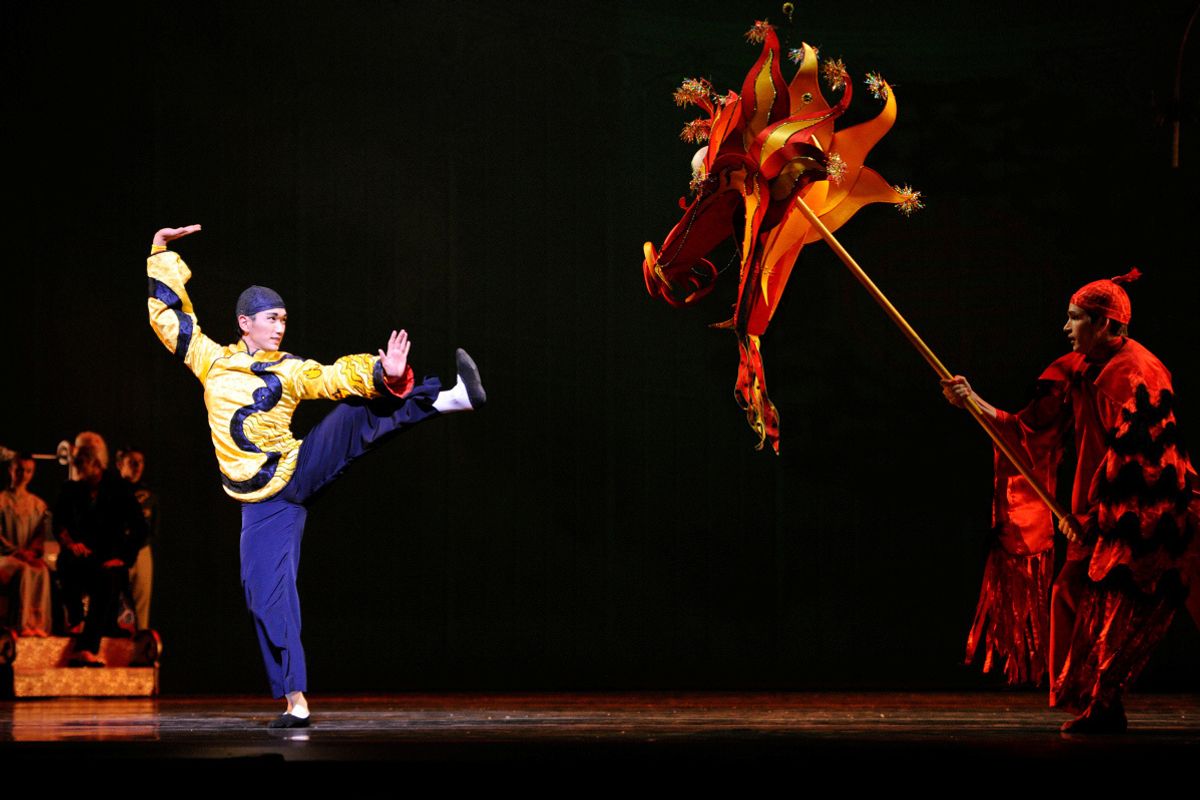
Dance Magazine: It's Nutcracker time again: the season of sweet delights and a sparkling good time—if we're able to ignore the sour taste left behind by the outdated racial stereotypes so often portrayed in the second act.

In 2017, as a result of a growing list of letters from audience members, to New York City Ballet's ballet master in chief Peter Martins reached out to us asking for assistance on how to modify the elements of Chinese caricature in George Balanchine's The Nutcracker.


#PayUpHollywood: How Unionizing Has Impacted Assistants’ Salary Fight

Variety: Writers’ assistant Olga Lexell used to rack up around $10,000 a year in medical bills to manage a chronic condition, Hashimoto’s thyroiditis, that requires her to sit through thyroid X-rays and frequent blood tests. While her show was on hiatus, she would pay $500 a month to extend the insurance that the studio offered, even though it was “never that good.” It wasn’t until writers’ assistants and script coordinators banded together in early 2018 to unionize under the banner of IATSE Local 871 that her healthcare costs shrunk dramatically.


Setting the Story Straight on Trigger Warnings

Exeunt Magazine: This month, CPT is hosting our all-new ‘Handle with Care’ festival, three weeks of performance exploring the hotly contested concept of the so-called ‘snowflake generation’ and all that comes with it – trigger warnings and safe spaces, microaggressions and no-platforming. You would imagine that, embarking on this season of programming, we must have our own story straight – on how, when and to whom trigger warnings should be administered in a theatre context?


What Our New Plays Really Look Like

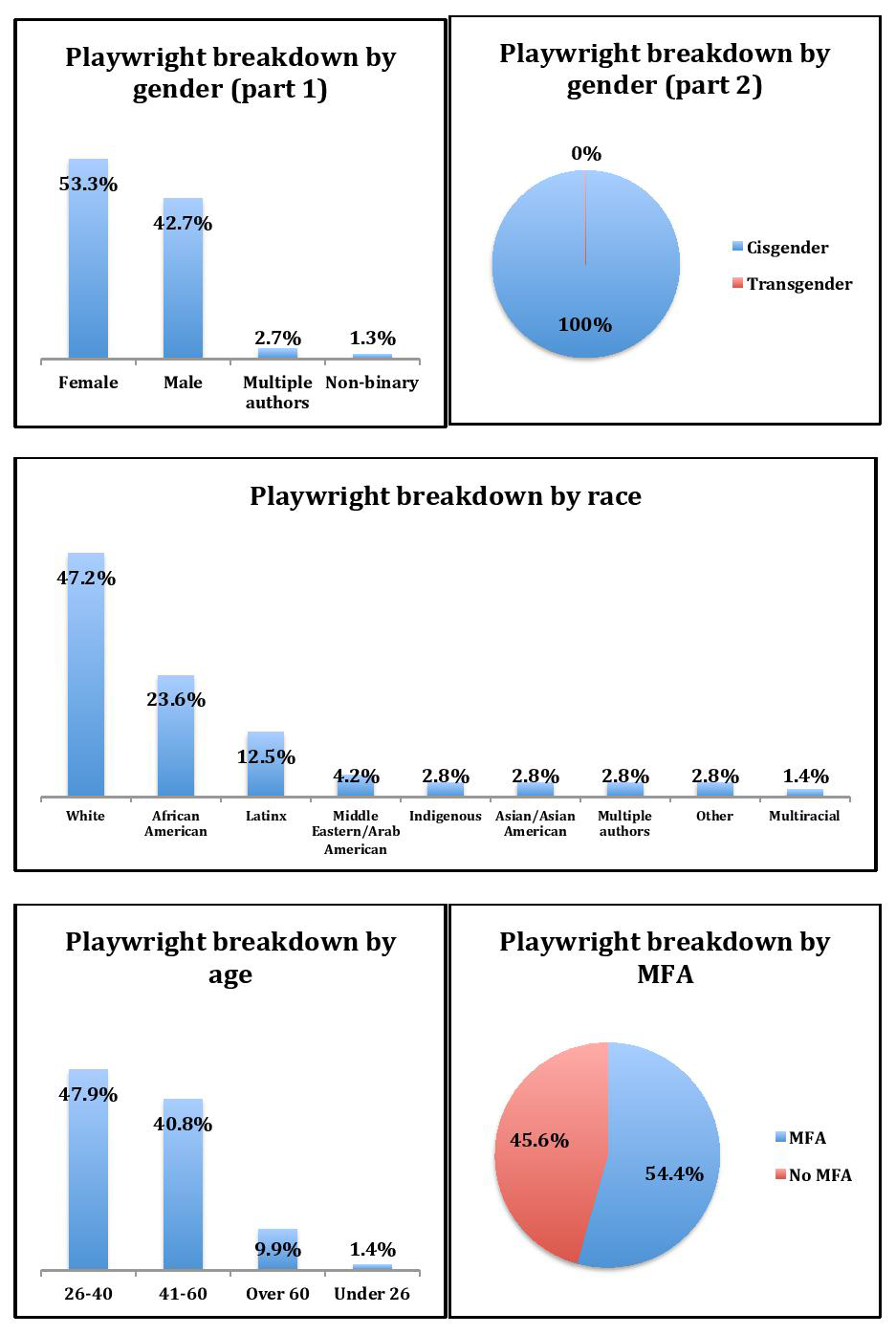
HowlRound Theatre Commons: The goal of this study is to use data to capture trends in new play production at the seventy-five LORT (League of Resident Theatres) member theatres and the thirty-two NNPN (National New Play Network) core member theatres. In working, I set out to answer three questions: Who is being produced on our stages? What kinds of characters are appearing on our stages? And what do these plays look like in terms of form and thematic content? By measuring where new play production is currently at, I hope to create an awareness of not only what is happening on our stages but also what is missing from them.

Sunday, October 20, 2019

Worth A Look

Here are a few posts from last week's Greenpage that might be worth your time...

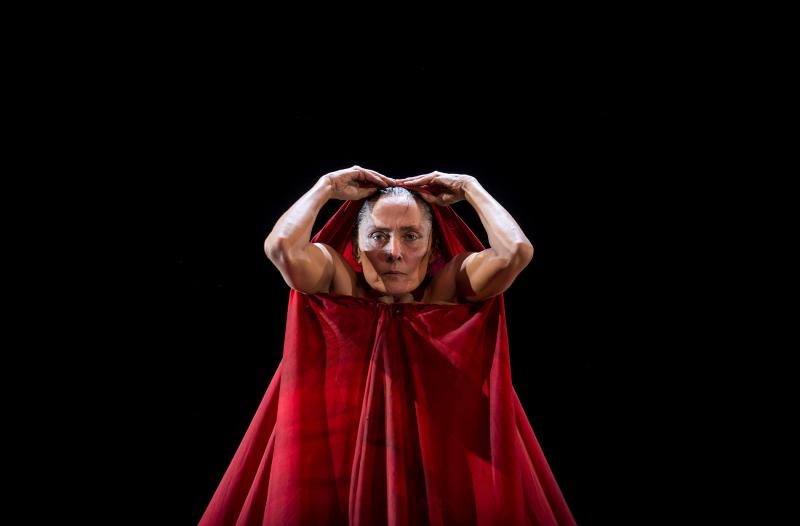
Barcelona Dance Company Speaks Out On Being Barred From Performing At The Los Angeles Theatre Center By Immigration Officers

www.broadwayworld.com: A year ago, José Luis Valenzuela put his plans in motion to bring the award-winning performance artist, Marta Carrasco and her acclaimed political dance-theatre production Perra de Nadie (Nobody's Bitch) to Los Angeles. The trip, Carrasco's third as an artist produced by Valenzuela, was meant to be her farewell performance.


Behind the Scenes begins development of a Mental Health and Suicide Prevention initiative

Protocol: BEHIND THE SCENES was created so industry members could look after each other in times of crisis. The charity originally defined crisis as entertainment technology professionals, or their immediate dependent family members, who are seriously ill or injured.

In 2016, Behind the Scenes was approached by a concerned individual, Karen Sherman, who was seeing too many of her colleagues dealing with depression and substance misuse. She wanted to find a way to encourage individuals to seek counseling at the start of problems, before they became a crisis and, in an expansion of its mission, the BTS Counseling Fund was created to help ease the financial burdens associated with seeking treatment.


Shakesqueer - A Queer, Feminist Reading

At This Stage: For hundreds of years Shakespeare’s plays have dominated the theater industry. Scholars, conspiracy theorists, and flat out fanatics have speculated on the playwrights identity for quite some time now. But was Shakespeare really queer? And does it even matter? It is nearly impossible to say for sure. Given how little historians have been able to document on the life of William Shakespeare, we are not even sure of his exact date of birth. But what we have for sure are countless dirty jokes, a fury of queer desire, and gender-fluid romance strung between 37 plays and 154 sonnets, half of which are explicitly addressed to men (Arden Shakespeare Complete Works). It’s all things lude, crude, and lascivious. This article will provide a queer reading of Shakespeare’s most popular plays and fan favorite characters. Who is the gayest in the canon? And what does this say about the man himself?


Tales from a Scenic Artist and Scholar. Part 820 – Fire, 1912

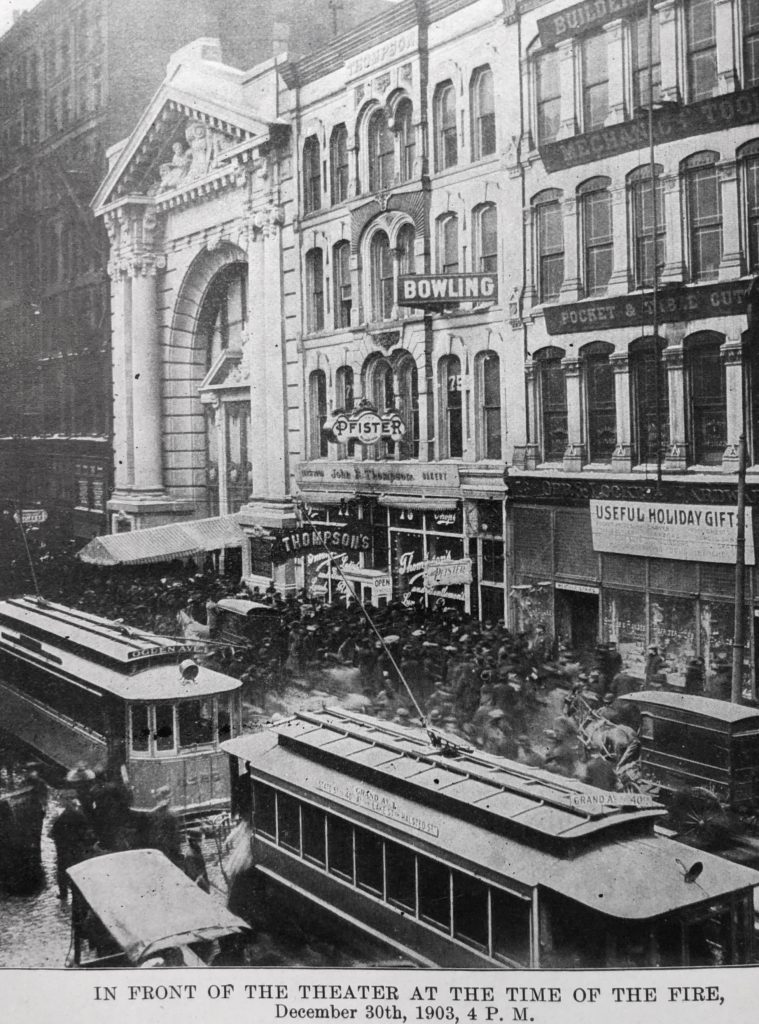
Drypigment.net: From 1905 until Al Ringling’s passing in in 1916, Thomas G. Moses completed several designs for the Ringling Bros. grand circus spectacles. In 1912, Thomas G. Moses wrote, “Went to Sterling to catch Ringling to collect $1,200.00. As I went to the tent to find Al Ringling, I discovered everyone watching a fire – a stable at least four blocks away. A spark was blown towards the tent, the top of which is prepared with paraffin to make it waterproof. It soon ignited from the sparks and in less than thirty minutes the big tent was destroyed.


Solving the "Lulu" Problem

The Theatre Times: Frank Wedekind’s Lulu is the archetypal modern classic about a sexy woman. Precisely for that reason, it’s a very tough nut to crack today, no less for adaptors than for directors of the original texts.

Wedekind’s first version, a 5-act “monster tragedy” written in 1894—about a sensuous young woman exploited, objectified and loved by a series of husbands and other men before being murdered by Jack the Ripper—couldn’t get past the German censor. So Wedekind fiddled with it for years, eventually expanding it into two plays (Earth Spirit and Pandora’s Box) that amplified the story’s lurid details and added background information that, in a teasingly neutral way, provided social commentary.

Sunday, October 13, 2019

Worth a Look

Here are a few posts from last week's Greenpage that might be worth your time...

Old Vic's Gender Neutral Toilets: A Dialogue

Exeunt Magazine: We are spilling out of the Northern line on our way to rehearsals when The Stage publishes Sarah Ditum’s article criticizing the Old Vic’s decision to implement gender neutral toilets. Rehearsals for a play in which we hire cis body doubles to take over our lives as trans people, to see if we ever get to author our own stories.


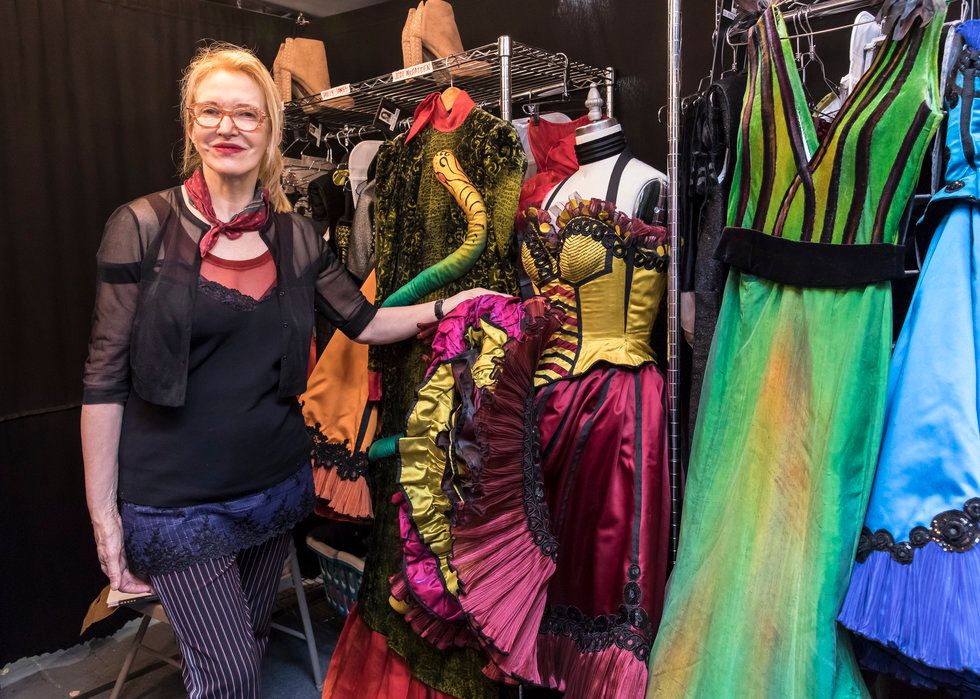
Inside the Living, Breathing World of the Washington National Opera's Costume Design

On Tap Magazine: “They think of the costumes as living, breathing things. They develop intense relationships with the costumes themselves as they’re literally forming them with their hands.”

Timothy O’Leary is describing the love story between the Washington National Opera (WNO)’s costume team and the works of art they fit to singers not like a glove, but like a second layer of skin, an extension of their very being. And it’s an easy romance to get swept up in.


Geena Davis Unveils Partnership With Disney to "Spellcheck" Scripts for Gender Bias

Hollywood Reporter: During a closing keynote speech at the New Zealand Power of Inclusion Summit, the actress explained how a new digital tool will prevent film and television works from perpetuating underrepresentation and stereotypes — and their pernicious real-world effects.


We need to talk about money…

ProSoundNetwork.com: Us freelancers are all entrepreneurs—whether we like it or not—so let’s embrace that and not be afraid of more business-focused dialogue. We can also be more honest about downtime (we all get it) and what constructive activities can be used to fill that time.

So, I’m going to get the ball rolling by discussing some things that I have found useful in negotiating more than a decade of freelancing.


The Second-Order Problem: A Participant-Centered Approach to Immersive Design

noproscenium.com: In proscenium theatre, an invisible, imaginary wall separates the performers from the audience: the fourth wall. In an immersive experience, this fourth wall is pierced or broken (or perhaps does not even exist in the first place).

But why do we break down the fourth wall? What is the rationale for doing so?

Sunday, October 06, 2019

Worth a Look

Here are a few posts from last week's Greenpage that might be worth your time...

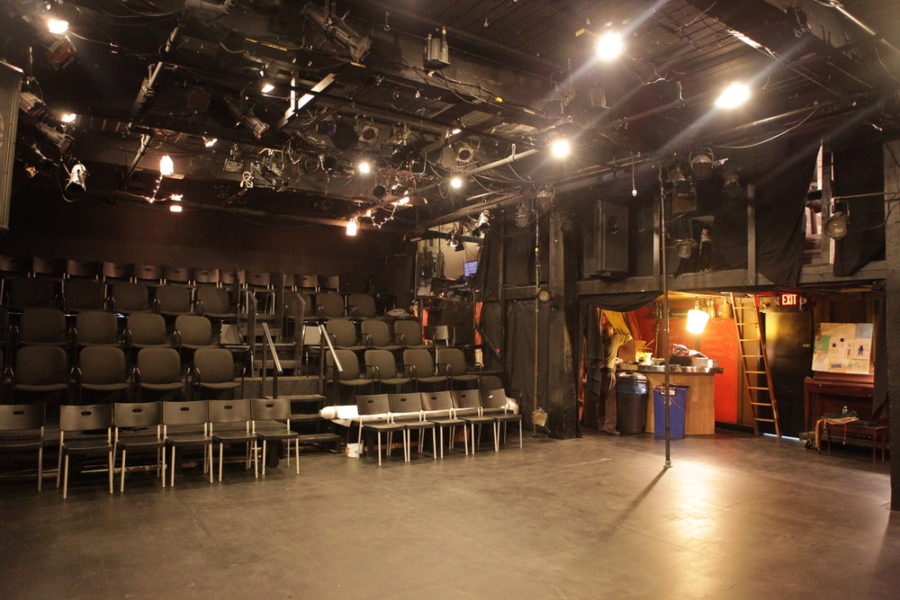
Intiman's Board Clashes with Staff, Leaving the Theater's Future in the Air

Slog - The Stranger: Senior members of Intiman's board are in crisis mode. They're saying the theater is out of cash and needs to drastically reduce staff by the end of the month or else close soon in order to gracefully exit the scene. The staff is saying the theater is not in crisis mode. In fact, they've got a plan that would solve the immediate financial need and start the new year with a surplus. They just need the board to approve that plan. But the board isn't buying the plan and won't budge. Now nobody knows what will happen to the embattled, nearly 50-year-old institution, which this year finally dug itself out from under $2.7 million in debt and earned an arts award from the Mayor.


Peek Inside Three Major Costume Shops of Ballet, Broadway and Ballroom

Dance Magazine: In much the same way that choreography and performance create a storyline, costumes can transport an audience into a certain mood or time period with fabrics alone. Three costume departments gave us an inside look at how they prep for ballets, Broadway shows and performances on the road.


How Object Puppetry Confronts Climate Change

HowlRound Theatre Commons: I’m the artistic director of Glass Half Full Theatre in Austin, Texas. Our company creates new works of theatre using the precise physical language of both humans and puppets—through clowning and object puppetry, in which existing objects are manipulated as characters—to confront global issues of environmental and social justice and explore imaginative solutions. In 2018, we presented an original stage production called Polly Mermaid, Apocalypse Wow!, based on a “walk about” persona that Indigo Rael, a company member, had created. Polly, whose purpose is to help people rethink their interactions with “disposable” plastic, has been an in-demand persona at live events such as Earth Day ATX and the San Marcos Mermaid Festival, and even has a short film detailing her origin story.


Montgomery is 60% black, but local theater doesn't reflect this. ASF is changing that.

www.montgomeryadvertiser.com: When the Alabama Shakespeare Festival board asked Rick Dildine to join as artistic director in 2017 he researched every playwright the festival had hired in the past 45 years.

He was the director of a festival in St. Louis then, where he garnered praise for taking Shakespeare out of the theater and onto the city’s public streets; casting neighborhood residents alongside professional actors.

In Dildine’s words, a theater’s programming “is its destiny.” To him, theater is local. It builds community. And the stories projected from its stage matter.


Online Survey, from Behind the Scenes, to Help Develop a Mental Health and Suicide Prevention Initiative

Stage Directions: Behind the Scenes, in response to concerns about the rising number of suicides and the prevalence of alcohol/substance misuse within the entertainment industry, is beginning work on a Mental Health and Suicide Prevention initiative and wants to get a sense of how many people in the industry are experiencing anxiety, depression, thoughts of suicide, problems with alcohol/substance misuse, or reactions to traumatic events.