Here are a few posts from last week's Greenpage that might be worth your time...
Dolly Parton Turned Down Elvis. That May Have Been Her Smartest Move
www.hollywoodreporter.com: There’s a famous story in industry lore about how, back in the ‘70s, Elvis Presley’s team had come to Parton with an offer for The King to cover “I Will Always Love You.” It was a potentially life-changing offer, even for an already famous Parton, to have one of the world’s most beloved artists turn a song she’d written into a likely smash hit. But it came with strings attached: While Elvis didn’t write a word of the song, his manager, Colonel Tom Parker, demanded he get 50 percent of the publishing credit.
Artists Built A Site To Escape AI. Scrapers Are Coming For It Anyway
www.forbes.com: Cara, an image sharing social network built specifically for artists who do not consent to have their work used to train generative AI models, suffered a third scraping attack in the past ten days, with copyrighted images and metadata taken from the site without permission appearing on the open source data network Academic Torrents on August 22. This follows previous scrapes of the dataset posted on Reddit (since taken down by the original poster) and the AI model clearinghouse Hugging Face.
Why AI Filmmaking Will Fail: James Gray on Film's 'Vinyl' Retro Moment
www.indiewire.com: When it comes to AI, director James Gray doesn’t mince words. The auteur called the current push for AI-driven filmmaking “obscene,” but he told IndieWire in a recent interview he has increasingly come to believe that it is a movement that will ultimately fail.
TV’s Neurodivergent Casting Reckoning
www.hollywoodreporter.com: Television’s portrayal of neurodivergence has long suffered from a persistent blind spot. By casting neurotypical actors to play stereotypical — and often heavily coded yet undiagnosed — white male savant archetypes, Hollywood built a rigid standard that has largely erased women, people of color and the broader diversity of real-world neurodivergent experiences.
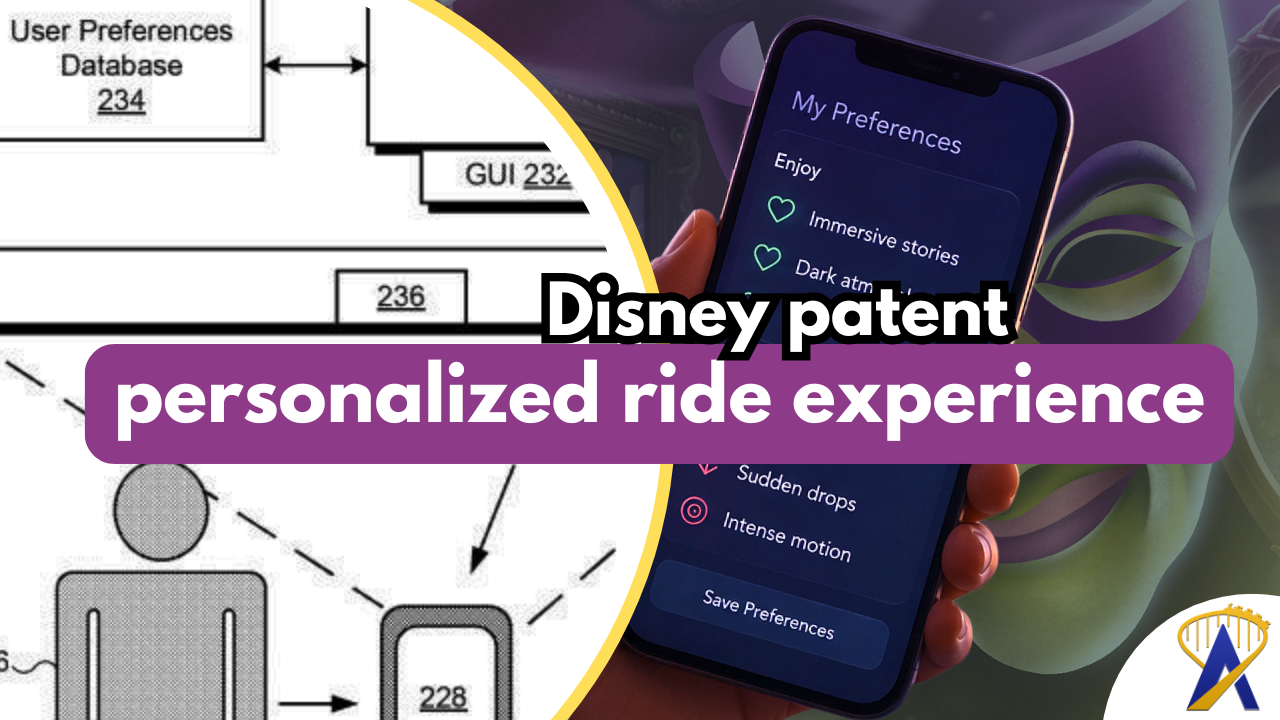
Disney patent could let attractions adapt to what guests want — or want to avoid
Attractions Magazine: A newly published patent application from Disney Enterprises describes a system that could learn what guests enjoy — or find uncomfortable — and use those preferences to recommend attractions, provide real-time warnings and, on compatible experiences, adjust elements including sound, lighting and motion. Disney even envisions giving thrill-seekers more of certain effects, such as increased G-forces on an individual simulator, within predetermined safety limits.